
 By
As consumers, we have become accustomed to paying more for the same products in different cities, and even at different locations within the same city. We might cite reasons like taxes, timing, or surge pricing, then forget about it and go on with our lives.
I always end up booking the Uber through my account because it somehow shows me lower prices than my husband for the same trip. It may be a serious matter, but we always shrug it off with a joke.
However, a recent development by the Federal Trade Commission (FTC) is bound to make consumers like you and me think twice about a price discrepancy the next time we encounter one.
On Oct. 28, the FTC demanded information from nine major companies to study how prices are set and whether factors like loyalty programs, browsing history, and personal data influence what individuals pay.
The companies receiving the orders are:
- Walmart
- DoorDash
- Instacart
- Target
- Uber
- Lyft
- Delta
- United
- JetBlue
These nine names cover several major consumer-facing industries, from groceries and retail to transportation and travel.
But the underlying question remains: Does your screen look the same as mine when it comes to pricing?
FTC questions Walmart, Target, Uber over personalized pricing
The FTC inquiry seeks to uncover the methods these companies use to set prices and encourage greater transparency for consumers and workers alike.
The nine companies have 45 days from the date they receive the orders to submit detailed information. If they fail to comply, the FTC has the authority to seek a federal court order compelling them to respond.
According to the FTC’s 15-page special order, companies must also contact agency officials within 14 days to discuss their responses and identify any information they cannot provide.
Read more: Walmart has a new plan to solve one of its customers’ biggest problems
The investigation goes beyond asking whether companies charge different prices. Regulators this time are stricter and want to know exactly how those prices are calculated and what personal information is used.
Companies must also disclose the algorithms, software, and other tools used to adjust prices, along with the factors influencing those decisions. The order specifically covers information such as location, income, browsing history, shopping behavior, and a consumer’s estimated willingness to pay.
The FTC is also demanding details of pricing experiments, including A/B tests conducted or proposed since January 2021, and whether those strategies increased or decreased the prices consumers paid.
For delivery and ride-hailing companies, regulators want information on how drivers are assigned jobs, how their compensation is calculated, and how customer payments are split between workers and platforms.
The agency wants to scrutinize how companies determine what consumers pay for the same product or service, as well as how ride-hailing and delivery platforms calculate gig workers’ compensation.
“Consumers deserve to know whether companies use their web surfing habits or other personal data to estimate the highest price they can charge each consumer,” said Andrew N. Ferguson, FTC chairman.
“Workers also deserve to know if their compensation is affected by how companies use their personal data,” Ferguson added.
In January 2025, the FTC released preliminary findings from an earlier surveillance-pricing investigation. It showed that information such as a person’s location or browser history could be used to target consumers with different prices for identical goods and services.
That earlier investigation focused on technology intermediaries rather than on these retailers and service providers who make actual pricing decisions.
But the latest inquiry goes directly to those businesses, seeking information about their pricing practices.
Consumers have already reported different prices for the same products
There is evidence that consumers sometimes see substantially different prices for identical purchases.
A December 2025 investigation by Consumer Reports and Groundwork Collaborative, involving 437 shoppers, found that 74% of grocery items tested on Instacart were offered at multiple prices.
Some shoppers saw prices as much as 23% higher than others viewing the same products from the same store at the same time.
For example, a dozen Lucerne eggs at a Safeway in Washington, D.C., appeared at five different prices, ranging from $3.99 to $4.79.
The researchers found that identical grocery baskets varied in price by an average of approximately 7%.
Following the investigation, Instacart ended its item-price testing program in December 2025. However, the company maintained that its tests were randomized and did not rely on shoppers’ personal data, demographics, or individual purchasing behavior.
Grocery shopping isn’t the only area where consumers have encountered such discrepancies.
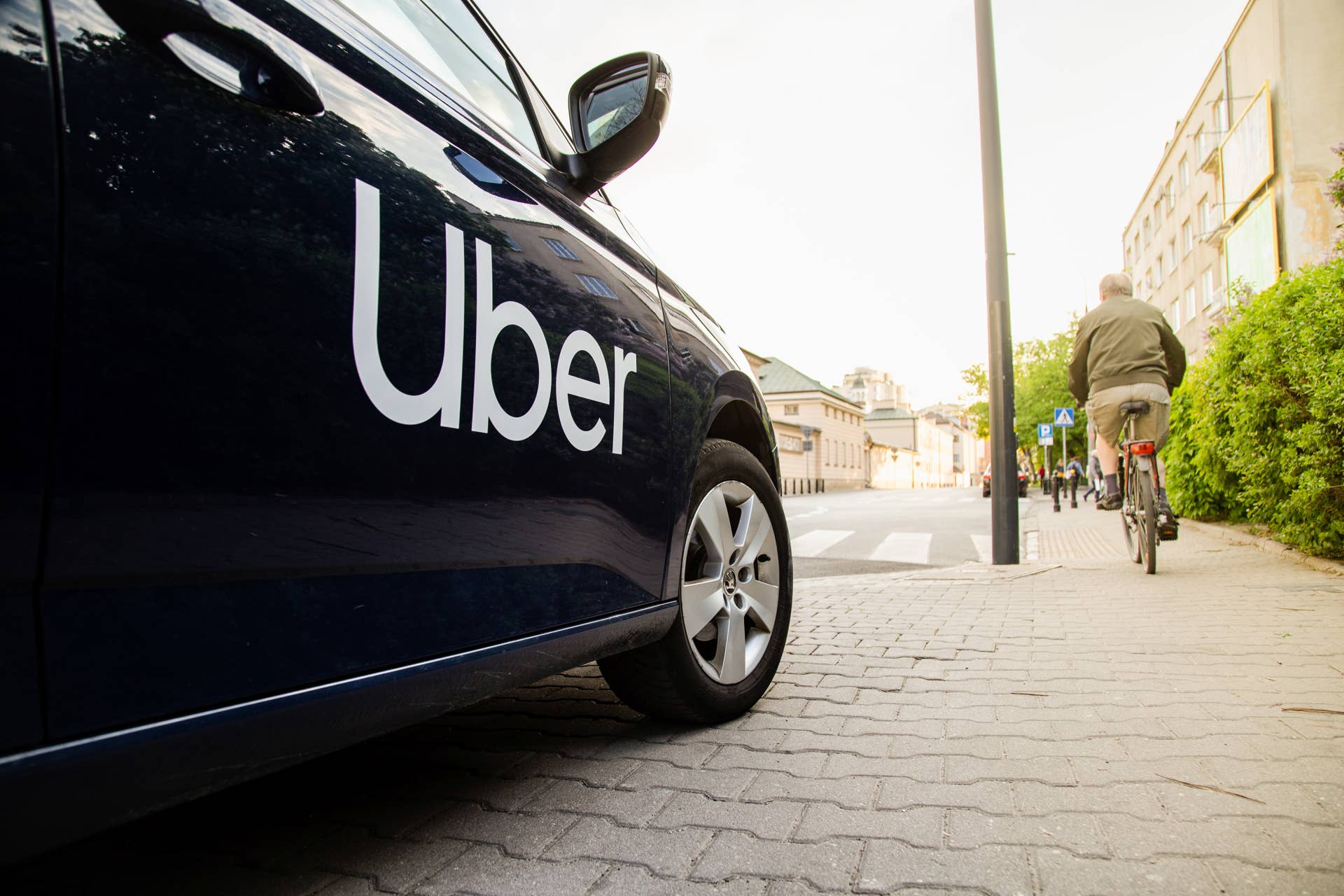
A June 2026 Consumer Reports investigation involving 174 volunteers found significant price differences between Uber and Lyft for the same routes at nearly the same time.
Across 30 virtually tested routes, the median difference between the highest- and lowest-price groups was 42.4%.
Both companies disputed the conclusions and denied personalizing base fares using individual consumer information, attributing differences to real-time market conditions.
These investigations demonstrate that price discrepancies exist, but they do not establish that the companies used personal information to determine how much individual shoppers should pay.
MOZCO Mateusz Szymanski / Getty Images
Delta, Instacart respond to FTC pricing inquiry
In a statement provided to TheStreet, a Delta spokesperson denied using personal data to offer individualized airfares.
“There is no fare product Delta has ever used, is testing or plans to use that targets customers with individualized offers based on personal data. We have zero tolerance for discriminatory or predatory pricing and fully comply with applicable privacy, pricing, and advertising laws,” the spokesperson said.
Delta had also addressed concerns about AI-powered pricing in an August 2025 statement, explaining that it uses aggregated information rather than individual customer data to inform fare pricing.
Instacart similarly rejected the suggestion that it engages in surveillance pricing.
“Instacart does not and will not engage in surveillance pricing. We do not use personal information to set prices, and we never will,” an Instacart spokesperson told TheStreet.
The company added that it welcomed the FTC’s focus on the practice and would continue working with policymakers and regulators to explain its pricing model.
More Retail:
- Kroger cuts discounts, promises pricing changes
- Walmart gets aggressive when it comes to holiday sales
- Costco copies a popular Trader Joe’s collectible
In its pricing principles document, Instacart emphasized that retail partners control product prices on its platform. About shoppers, it said that their compensation is determined by job-related factors, including driving distance, number of items and estimated shopping time, rather than workers’ personal characteristics.
According to Instacart, shoppers offered the same delivery assignment at the same time will see identical batch pay.
Target, meanwhile, directed TheStreet to an October 15 pricing fact sheet.
“Target does not use your personal information to raise an item’s price,” the retailer stated.
Target said prices may vary due to local costs, regulations and competition. It also acknowledged using customers’ shopping histories to recommend relevant Target Circle deals, but maintained that this information is not used to increase prices.
Walmart, which had not responded to TheStreet’s inquiry by publication time, previously pledged not to use shoppers’ income, shopping history or urgency to charge them higher prices.
TheStreet previously reported on Walmart’s pricing promise.
JetBlue also pointed to its public statement saying it “does not use personal information or web browsing history to set individual pricing.”
“Fares are determined by demand and seat availability, and all customers have access to the same fares on jetblue.com and our mobile app,” the statement noted.
DoorDash, Uber, Lyft, and United Airlines had not responded to TheStreet’s requests for comment by the time of publication.
The discrepancies are concerning because many consumers already distrust variable pricing practices.
A January 2026 Ipsos Consumer Tracker survey found that 78% of Americans believe every buyer should pay the same price. Six in 10 respondents considered dynamic pricing a form of price gouging, while only about one-third believed it would help them find better deals.
The FTC plans to use the companies’ responses to produce a study examining whether personal data plays a role in setting consumer prices and worker compensation. It wants to determine whether these differences are simply the result of demand, promotions, and market conditions, or something more personal.
Latest Retail News
- Ross Stores has a plan to win over TJ Maxx shoppers
- Verizon faces a concerning customer trend
- Thousands of Publix shoppers angry over its prices
- Albertsons has a new advantage over Kroger, Walmart, Amazon for grocery shoppers
